

Better Gear for MapleStory Classic World Adventures
Blogi » opublikowano: 2026-10-17, zamieścił: ZeonLau
 A monster dropping an ordinary-looking item can create an interesting decision for any MapleStory Classic World player: should it be sold immediately, saved for a future upgrade, used for crafting, or offered to another adventurer? These small choices gradually shape a character's progression, making MapleStory Classic World Mesos an important consideration when balancing equipment purchases, consumable expenses, and future goals. Instead of treating every hunting session as a race to collect as much loot as possible, players can develop a more thoughtful routine that connects combat, inventory management, and trading. The result is a more rewarding adventure in which even familiar monsters can contribute to a larger equipment plan.
An efficient loot strategy begins with selecting monsters that suit the character's current abilities. A target that can be defeated consistently may provide better practical results than an enemy that demands expensive recovery items or repeated trips back to town. Consider the map layout as well as the monsters themselves. Areas with convenient movement and accessible spawn locations can help maintain a steady rhythm, while awkward terrain may slow down characters that depend on close-range attacks. Ranged classes have different positioning needs, so the best route will vary according to weapon type, attack range, and current skill development.
Before leaving town, prepare the inventory for the session ahead. Carry enough HP and MP recovery items for the expected duration, reserve space for equipment drops and quest materials, and check whether any active objectives require specific items. This preparation reduces interruptions and makes it easier to recognize which drops are worth collecting. When the inventory starts filling up, prioritize items that support your current build, fulfill quest requirements, or have a plausible use in crafting and trading. Ordinary drops with little practical value can be sold when appropriate, allowing the next hunting trip to begin without unnecessary clutter.
Equipment drops deserve more attention than their immediate selling price might suggest. A weapon that does not fit your class may still be attractive to another player, while an armor piece with useful stats could help an alternative character. Before disposing of an item, compare its requirements with your current equipment and consider whether it could support a future level milestone. However, keeping everything is not a sustainable strategy either. Storage and inventory space have practical limits, so the goal is to distinguish items with a realistic purpose from those that are unlikely to contribute to future progression.
Understanding class requirements makes these decisions easier. Warriors generally focus on physical weapons and suitable protective gear, bowmen need equipment that supports ranged combat, thieves rely on gear compatible with their preferred weapon types, and magicians must consider magical performance alongside resource consumption. The value of an item therefore depends on who can use it and how effectively it supports that character's role. When comparing two possible upgrades, look at relevant stats, level requirements, and the likely length of time each item will remain useful. A sensible choice can improve combat efficiency without consuming resources needed elsewhere.
Crafting provides another way to turn collected materials into useful equipment. Rather than gathering ores, wood, cloth, and other materials without a clear objective, choose a potential recipe first and check the items required to complete it. Then determine whether those materials can be obtained naturally through your regular activities or whether additional purchases would be necessary. The time involved also matters. A crafted item may be attractive when its materials are readily available, but a long collection process is less appealing if the finished equipment will soon be replaced. Planning the project in advance keeps crafting connected to actual character progression.
The player-driven market introduces a second decision after an item has been collected: whether to sell it, keep it, or exchange it for something more useful. Browse comparable offers before assigning a price, especially for equipment with different stat combinations or enhancement results. If several similar items are available, an unusually high asking price may not reflect what buyers are willing to pay. On the other hand, a useful item should not automatically be sold to an NPC simply because it is inconvenient to carry. Understanding market demand can help turn surplus drops into resources for a more suitable weapon, armor piece, or other equipment upgrade.
Scrolls can change an item's usefulness, but enhancement decisions should be made carefully. A valuable weapon may justify an investment if it is expected to remain part of the character's build for a long time. Temporary equipment is a less attractive target when the same resources could be saved for a more durable upgrade. Before attempting an enhancement, review the item's available upgrade slots, the scroll's effects, and the potential consequences of failure. Keeping a reserve for essential supplies protects the character from becoming unable to continue hunting after an expensive or unsuccessful attempt.
Quests and cooperative activities can make the entire process more engaging. When a quest sends you into an area where suitable monsters already appear, completing its objectives during a normal training session can reduce unnecessary travel. Party activities offer a different experience by encouraging coordination, communication, and shared problem-solving. These activities also create opportunities to exchange practical advice with other players about hunting routes, useful equipment, and market decisions. Alternating between solo hunting, quests, and group content helps keep progression varied instead of turning every session into the same repetitive routine.
For players considering additional ways to prepare for equipment purchases, U4GM provides game-related listings that can be compared with resources earned through normal gameplay. Affordable options and purchasing convenience may be attractive, but buyers should verify the exact product, current price, delivery terms, and account-security practices before making a decision. Reviewing the applicable game rules is also important. A purchasing option is most useful when it supports a defined equipment goal and fits a realistic budget, rather than encouraging unnecessary spending on upgrades that offer little improvement.
The most satisfying equipment progression comes from making good use of what each adventure provides. By collecting relevant drops, checking quest requirements, planning crafting projects, and comparing market offers, players can turn ordinary hunting sessions into steady progress toward a stronger build. There is no need to purchase every upgrade immediately when a little patience and careful planning can achieve the same goal. When additional resources are needed for a specific equipment plan, buy MapleStory GMS Mesos can be evaluated as one possible option, with affordability, purchasing precautions, and the character's actual needs guiding the final decision.
A monster dropping an ordinary-looking item can create an interesting decision for any MapleStory Classic World player: should it be sold immediately, saved for a future upgrade, used for crafting, or offered to another adventurer? These small choices gradually shape a character's progression, making MapleStory Classic World Mesos an important consideration when balancing equipment purchases, consumable expenses, and future goals. Instead of treating every hunting session as a race to collect as much loot as possible, players can develop a more thoughtful routine that connects combat, inventory management, and trading. The result is a more rewarding adventure in which even familiar monsters can contribute to a larger equipment plan.
An efficient loot strategy begins with selecting monsters that suit the character's current abilities. A target that can be defeated consistently may provide better practical results than an enemy that demands expensive recovery items or repeated trips back to town. Consider the map layout as well as the monsters themselves. Areas with convenient movement and accessible spawn locations can help maintain a steady rhythm, while awkward terrain may slow down characters that depend on close-range attacks. Ranged classes have different positioning needs, so the best route will vary according to weapon type, attack range, and current skill development.
Before leaving town, prepare the inventory for the session ahead. Carry enough HP and MP recovery items for the expected duration, reserve space for equipment drops and quest materials, and check whether any active objectives require specific items. This preparation reduces interruptions and makes it easier to recognize which drops are worth collecting. When the inventory starts filling up, prioritize items that support your current build, fulfill quest requirements, or have a plausible use in crafting and trading. Ordinary drops with little practical value can be sold when appropriate, allowing the next hunting trip to begin without unnecessary clutter.
Equipment drops deserve more attention than their immediate selling price might suggest. A weapon that does not fit your class may still be attractive to another player, while an armor piece with useful stats could help an alternative character. Before disposing of an item, compare its requirements with your current equipment and consider whether it could support a future level milestone. However, keeping everything is not a sustainable strategy either. Storage and inventory space have practical limits, so the goal is to distinguish items with a realistic purpose from those that are unlikely to contribute to future progression.
Understanding class requirements makes these decisions easier. Warriors generally focus on physical weapons and suitable protective gear, bowmen need equipment that supports ranged combat, thieves rely on gear compatible with their preferred weapon types, and magicians must consider magical performance alongside resource consumption. The value of an item therefore depends on who can use it and how effectively it supports that character's role. When comparing two possible upgrades, look at relevant stats, level requirements, and the likely length of time each item will remain useful. A sensible choice can improve combat efficiency without consuming resources needed elsewhere.
Crafting provides another way to turn collected materials into useful equipment. Rather than gathering ores, wood, cloth, and other materials without a clear objective, choose a potential recipe first and check the items required to complete it. Then determine whether those materials can be obtained naturally through your regular activities or whether additional purchases would be necessary. The time involved also matters. A crafted item may be attractive when its materials are readily available, but a long collection process is less appealing if the finished equipment will soon be replaced. Planning the project in advance keeps crafting connected to actual character progression.
The player-driven market introduces a second decision after an item has been collected: whether to sell it, keep it, or exchange it for something more useful. Browse comparable offers before assigning a price, especially for equipment with different stat combinations or enhancement results. If several similar items are available, an unusually high asking price may not reflect what buyers are willing to pay. On the other hand, a useful item should not automatically be sold to an NPC simply because it is inconvenient to carry. Understanding market demand can help turn surplus drops into resources for a more suitable weapon, armor piece, or other equipment upgrade.
Scrolls can change an item's usefulness, but enhancement decisions should be made carefully. A valuable weapon may justify an investment if it is expected to remain part of the character's build for a long time. Temporary equipment is a less attractive target when the same resources could be saved for a more durable upgrade. Before attempting an enhancement, review the item's available upgrade slots, the scroll's effects, and the potential consequences of failure. Keeping a reserve for essential supplies protects the character from becoming unable to continue hunting after an expensive or unsuccessful attempt.
Quests and cooperative activities can make the entire process more engaging. When a quest sends you into an area where suitable monsters already appear, completing its objectives during a normal training session can reduce unnecessary travel. Party activities offer a different experience by encouraging coordination, communication, and shared problem-solving. These activities also create opportunities to exchange practical advice with other players about hunting routes, useful equipment, and market decisions. Alternating between solo hunting, quests, and group content helps keep progression varied instead of turning every session into the same repetitive routine.
For players considering additional ways to prepare for equipment purchases, U4GM provides game-related listings that can be compared with resources earned through normal gameplay. Affordable options and purchasing convenience may be attractive, but buyers should verify the exact product, current price, delivery terms, and account-security practices before making a decision. Reviewing the applicable game rules is also important. A purchasing option is most useful when it supports a defined equipment goal and fits a realistic budget, rather than encouraging unnecessary spending on upgrades that offer little improvement.
The most satisfying equipment progression comes from making good use of what each adventure provides. By collecting relevant drops, checking quest requirements, planning crafting projects, and comparing market offers, players can turn ordinary hunting sessions into steady progress toward a stronger build. There is no need to purchase every upgrade immediately when a little patience and careful planning can achieve the same goal. When additional resources are needed for a specific equipment plan, buy MapleStory GMS Mesos can be evaluated as one possible option, with affordability, purchasing precautions, and the character's actual needs guiding the final decision.
(0)
(0)
(0)
(0)
(0)
Zobacz również:
-
AION 2 Kina Farming Tips From U4GM for New Players

Making money in AION 2 takes a little planning. Some activities provide steady rewards, while others depend on limited entries, Energy, or Market...
Kategoria: , opublikowano: 2026-10-17, komentarzy: 0, zamieścił: 1fuhd
-
Airmez 50K: Dura Davvero 50,000 Puff?
Nel dinamico panorama dello svapo usa e getta, l'AiRMEZ 50K si posiziona come una delle novità più discusse e ambiziose. Per i consumatori adulti...
Kategoria: , opublikowano: 2026-10-17, komentarzy: 0, zamieścił: Mario Stegemann
-
Airmez Lux 100K Vape: Langlebig, Smart & Dual Mesh
Die Airmez 100k wurde für Nutzer entwickelt,...
Kategoria: , opublikowano: 2026-10-17, komentarzy: 0, zamieścił: Mario Stegemann
Daj znać znajomym
Losowe Auta
-

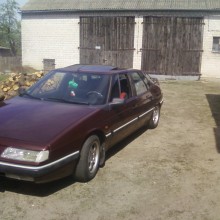
super brykaPojemność 2.1 Moc: 115 Rodzaj paliwa: ON Zamieścił: mario29zdunia -


MietaPojemność 2.2 Moc: 95 Rodzaj paliwa: ON Zamieścił: hulej95 -

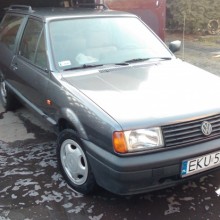
MyszaaPojemność 1.3 Moc: 55 Rodzaj paliwa: Pb Zamieścił: iJopek -


Honda CivicPojemność 1.8 Moc: 140 Rodzaj paliwa: Pb Zamieścił: Sebastian -

Losowe Galerie
-

Targi Motoryzacyjne Częstochowa 2011
Zdjęć: 11
MotoWitkowski -

Audi 80 B4 2.0
Zdjęć: 2
Samochodzik -

Mój opelek
Zdjęć: 1
moje pierwsze autko -

Zdjęcia
Zdjęć: 2
Zdjęcia -

Nissan Almera GTI
Zdjęć: 5
fajneee!
Kalendarz Imprez
| < < | October 2026 | > > | ||||
| Pn | Wt | Śr | Czw | Pt | Sb | Nd |
| 01 | 02 | 03 | 04 | |||
| 05 | 06 | 07 | 08 | 09 | 10 | 11 |
| 12 | 13 | 14 | 15 | 16 | 17 | 18 |
| 19 | 20 | 21 | 22 | 23 | 24 | 25 |
| 26 | 27 | 28 | 29 | 30 | 31 | |
Shout Box
08:36:30 fsd
:
06:27:19 claraparker
:
08:27:22 Genericpharmamall
:
11:38:36 addison jones
:
06:51:47 Iver Meds
:
13:04:51 elizabethwilliam
:
09:38:21 Alexsmith
:
09:46:02 josenichols
:
08:09:54 MirabelConnell
:
08:10:08 MirabelConnell
:
08:10:57 MirabelConnell
:
08:33:26 Grayluca
:
09:39:45 Bartess-Serwis
:
09:39:51 Bartess-Serwis
:
12:54:12 Grayluca
:
00:09:11 qiqi9977
:
10:38:27 GLOBAL-PLAST
:
14:52:27 PPHU BIELBET Paszko Grzegorz
:
10:54:20 Luksta Małgorzata Stach
:
11:00:51 Digitalab
:
Odznacz aby wyłączyć automatyczne
przewijanie okienka. Może
to być przydatne gdy próbujesz
odczytać starsze wiadomości a
automatycznie przewijające się
okienko utrudnia Ci to.
przewijanie okienka. Może
to być przydatne gdy próbujesz
odczytać starsze wiadomości a
automatycznie przewijające się
okienko utrudnia Ci to.
Zaloguj się aby pisać w shoutboxie,
zarejestruj się jeśli nie masz konta.
Komentarze